
Industry Solutions

Deploying commercial cleaning robots improves hospitality property capital margin

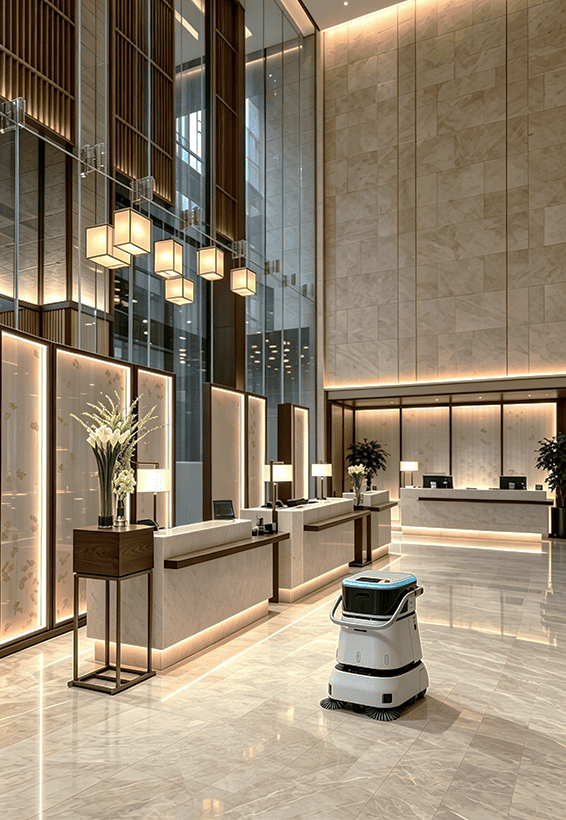
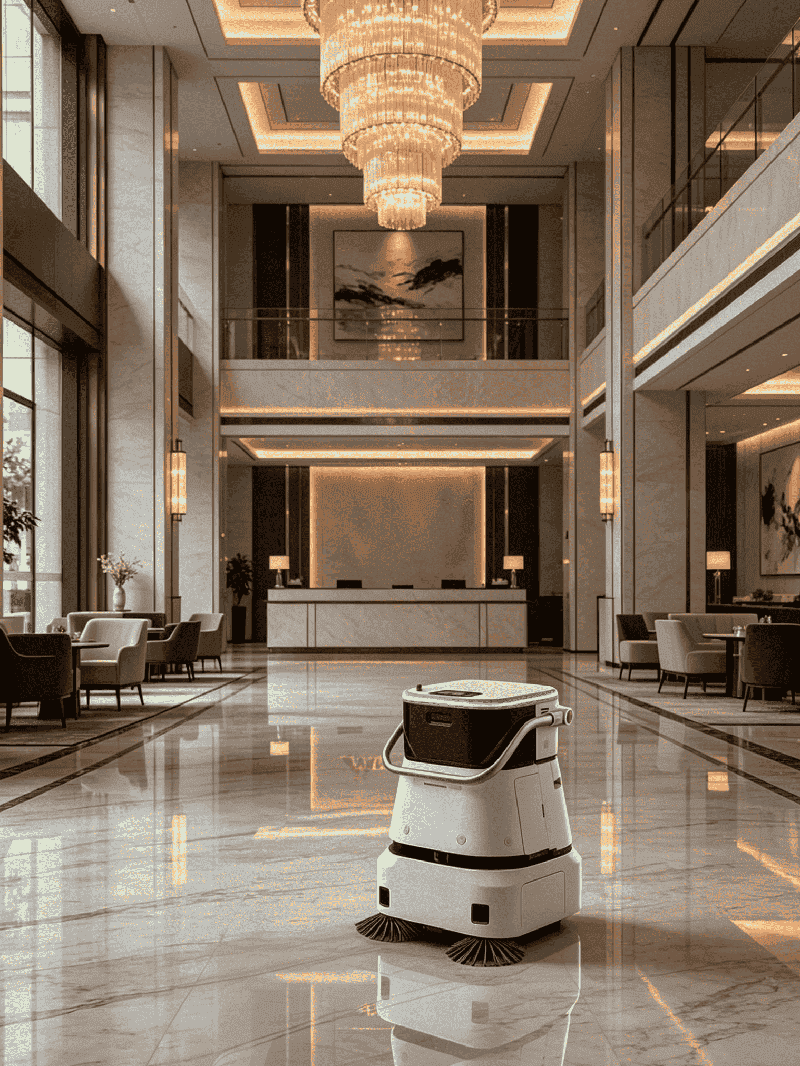
Deploying commercial cleaning robots improves a property’s capital margin by replacing volatile, escalating operational expenses with predictable, high-return capital efficiency.

Here is a breakdown of how autonomous robots directly optimize financial performance and boost profit margins for commercial hotels:

1. LABOR COST REDUCTION:     

Labor accounts for 70% to 80% of total facility maintenance expenditures. Rising minimum wages, healthcare benefits, overtime, training costs and recruiting costs constantly compress operating margins.

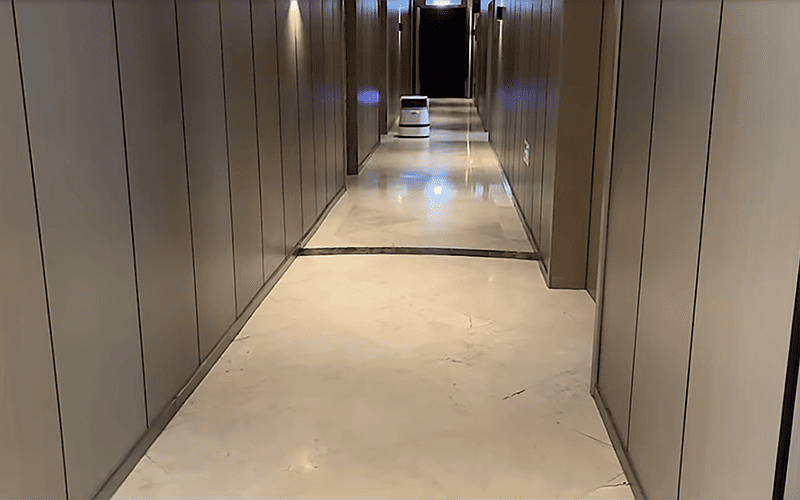
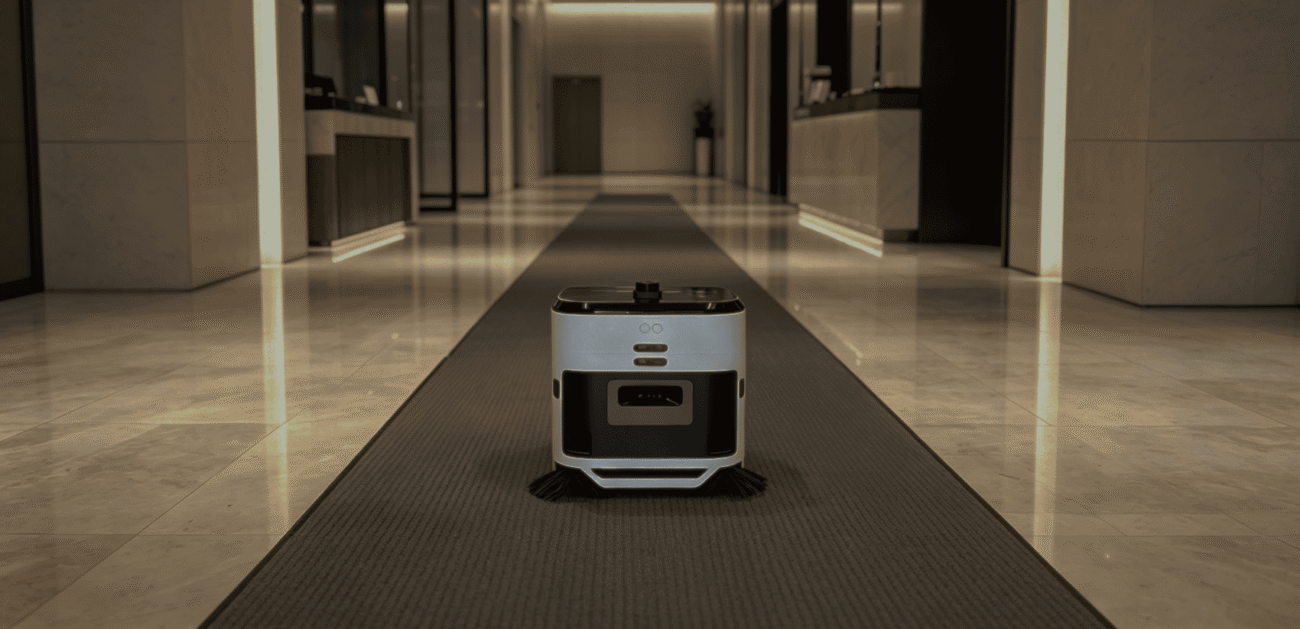
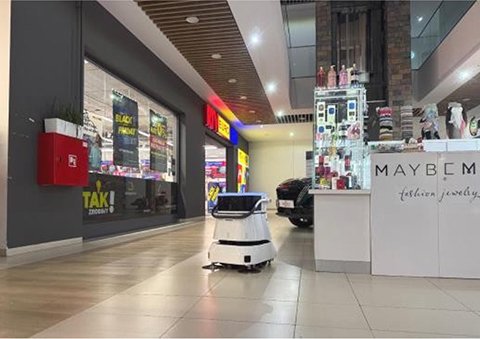
  • Direct FTE Offset:    A single commercial robot covering 800–1200 square meters/hour reallocate or reduce 1 to 1.5 FULL-Time Equivalent (FTE) custodial positions per shift across large multi-story spaces.
  • Margin Impact: Converting recurring, inflation-vulnerable labor costs into a fixed amortized asset directly lowers Operating Expenses (OPEX), widening the operating margin.

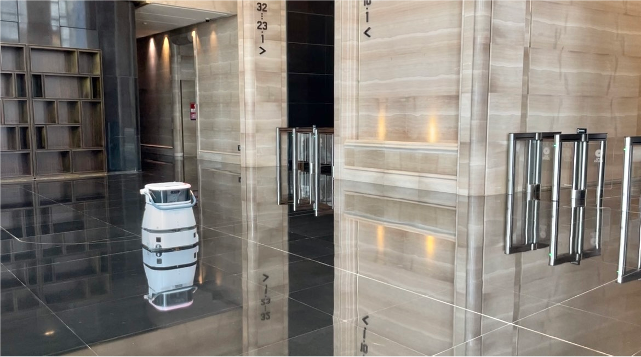
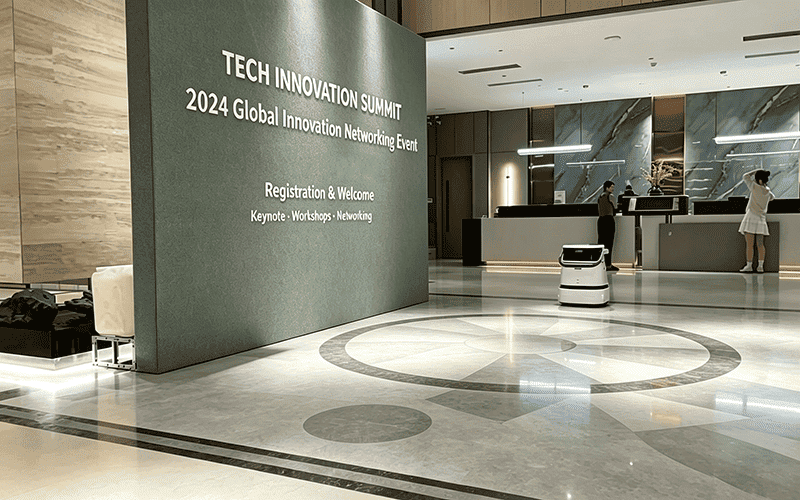
“Housekeeping labor shortage is our constant challenge. The cleaning robot takes over hallway and lobby floor work, so our team can focus more on guest‑related service.”
— Eric B., Facility Manager, Downtown Full‑Service Hotel

2. PROTECTING CAPITAL ASSETS & EXTENDING LIFESPAN:
Premature replacement or heavy restoration of expensive flooring—such as high-shine marble, polished concrete, or premium hardwoods—drains capital reserves.

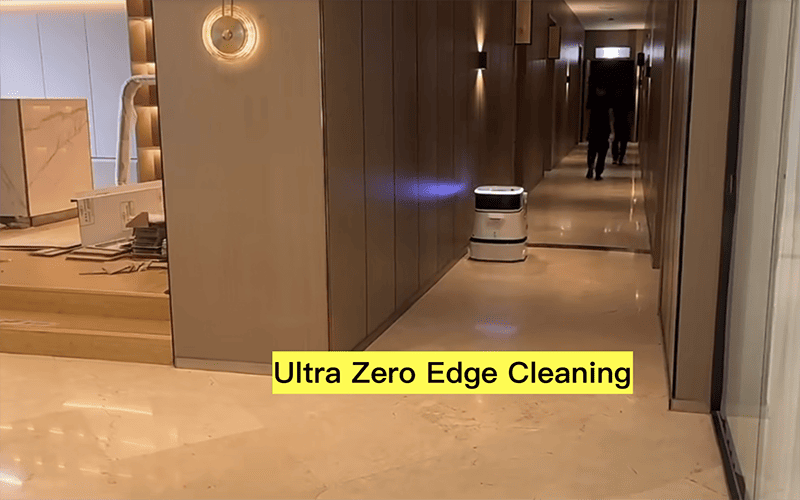
  • Standardized Precision Care: Human operator errors often lead to over-wetting, improper chemical dilution, or surface abrasion. Autonomous robots deliver precise, chemical-optimized, single-pass cleaning with immediate drying floor.

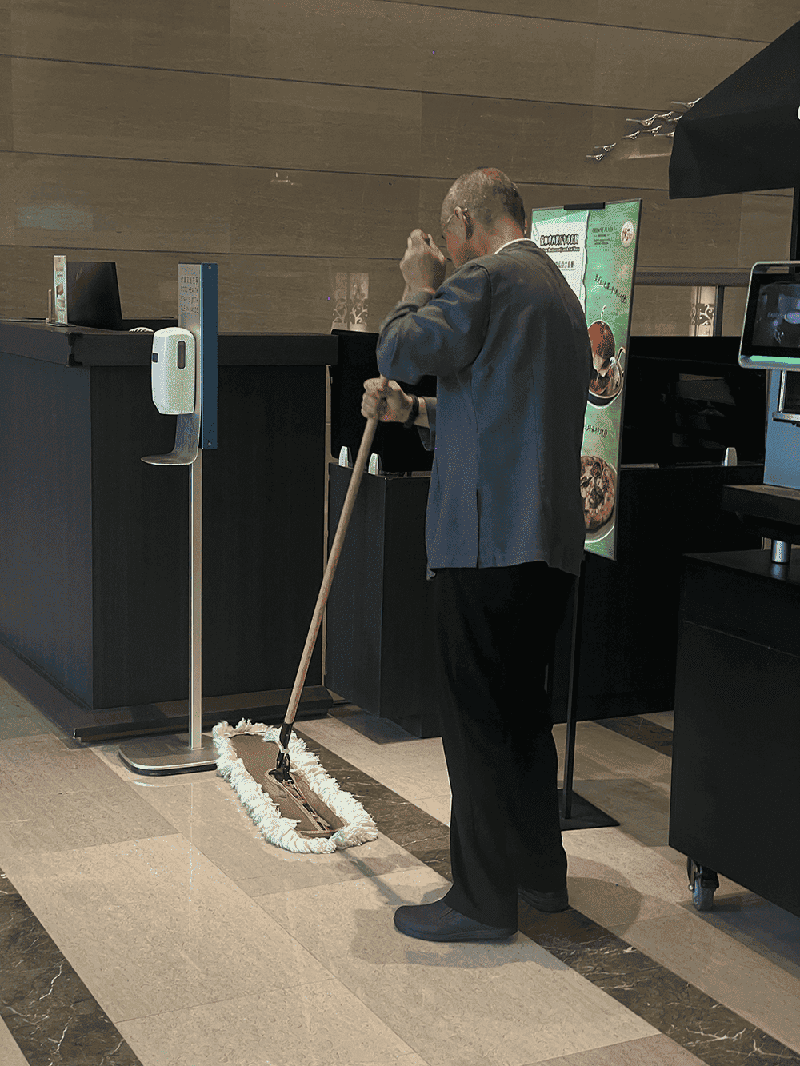
  • Empowering Hospitality Staff: Instead of spending hours pushing heavy scrubbers down long corridors, walking 30 thousands of steps everyday, housekeeping teams can focus on room readiness, high-touch sanitization, and personalized guest care.
  • Smart Operations from Day One: 100% Trackable cleaning, battery performance, and digital quality logs via a cloud dashboard, easy to management.
COMPARISON OF

Manual Cleaning & InterCon Commercial Robots

3. LOWERING TURNOVER & WORKPLACE INJURY LIABILITIES: 

  • ISSUES 1: Manual floor scrubbing involves hard physical exertion (up to 30,000 steps per day), driving high turnover rates ("Industry high turnover rates (75%–120%+ annually) are documented in the BSCAI (Building Service Contractors Association International) Benchmarking Report for commercial janitorial workforce." - BSCAI.
  • ISSUES 2: Workers' compensation claims from slips, trips, or repetitive strain injuries. Data regarding ergonomic strain and slip-and-fall injury hazards among custodial workers is sourced from the U.S. Bureau of Labor Statistics (BLS) Occupational Injuries and OSHA Ergonomic Guidelines for Janitorial Services.

SOLUTIONS:

  • Liability Mitigation: Commercial Cleaning Robots eliminating heavy manual pushing and bending lowers injury risks and recruitment overhead.
  • Margin Impact: Savings on recruitment agency fees, onboarding expenses, new employees training costs, worker insurance premiums, and temporary labor markups go straight to the margins.

By BSCAI Official Website (bscai.org) / ISSA Official Website (issa.com) / US Bureau of Labor Statistics (bls.gov) / OSHA Ergonomics & Safety Guidelines (osha.gov)

Leave a Reply

Your email address will not be published. Required fields are marked *